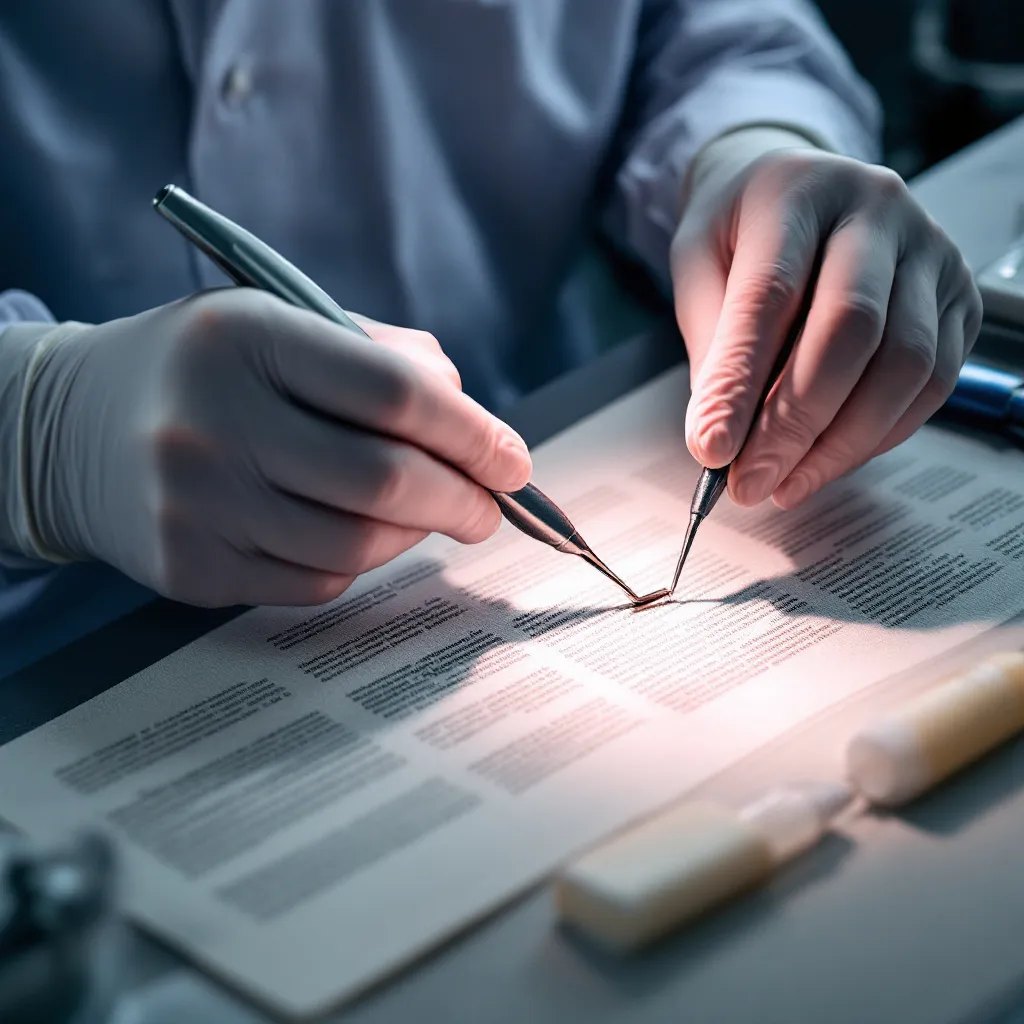
Proper aftercare following dental procedures is essential for healing, comfort, and long-term success of your treatment. Whether you've just had a tooth extraction, received a new crown, or undergone oral surgery at Overland Dental in Boise, understanding what to expect and how to care for your mouth in the hours and days that follow can prevent complications and speed recovery. The high desert climate of Boise, with its dry air and temperature fluctuations, can affect healing in ways patients might not anticipate. This guide provides detailed post-procedure instructions for common dental treatments, helping you navigate the recovery process with confidence and ensuring the best possible outcomes for your oral health.
Following a tooth extraction, your diet plays a critical role in preventing complications like dry socket, infection, or dislodging the blood clot that forms in the extraction site. For the first twenty-four hours, stick exclusively to cool or room-temperature liquids and very soft foods like applesauce, yogurt, smoothies without straws, and lukewarm broths. Avoid anything hot, as heat can dissolve the protective blood clot. Skip crunchy, chewy, or hard foods entirely during the first week, including chips, nuts, popcorn, crusty bread, raw vegetables, and tough meats. These can easily lodge in the extraction site or require chewing motions that disturb healing tissue.
Steer clear of acidic foods and beverages such as citrus fruits, tomato-based products, and carbonated drinks, which can irritate the wound and cause discomfort. Similarly, avoid spicy seasonings that may burn exposed tissue. Alcohol should be completely off-limits while taking any prescribed pain medications and for at least seventy-two hours post-extraction, as it thins blood and can interfere with clot formation. In Boise's dry climate, staying well-hydrated is particularly important for healing, but remember to drink from a cup rather than using straws, which create suction that can dislodge the clot and lead to painful dry socket.
As healing progresses over the first week, gradually reintroduce semi-soft foods like scrambled eggs, mashed potatoes, pasta, and well-cooked vegetables. Chew on the opposite side of your mouth from the extraction site whenever possible. Most patients can return to their normal diet within seven to ten days, though this timeline varies based on the complexity of the extraction and individual healing rates. If you experience increased pain, swelling, or notice food particles consistently getting stuck in the area, contact Overland Dental before resuming harder foods.
Caring for a newly placed dental crown requires some adjustments to your routine, especially during the first twenty-four hours when temporary cement may still be setting or when your mouth is recovering from anesthesia. If you received a temporary crown while waiting for your permanent restoration, exercise extra caution as these are designed to be removable and are more fragile. Avoid sticky foods like caramels, taffy, and chewing gum that can pull the crown loose. Also skip extremely hard foods such as ice, hard candies, and unpopped popcorn kernels that could crack the crown or dislodge it entirely. With a permanent crown, these precautions become less critical after the first day, though it remains wise to avoid using that tooth as a nutcracker or bottle opener.
Sensitivity to temperature and pressure is completely normal for the first few days following crown placement, particularly if the tooth required significant preparation or if the crown sits close to the gum line. The dry Boise air can sometimes exacerbate sensitivity, so consider using a humidifier in your bedroom at night. When brushing, use a soft-bristled toothbrush and be gentle around the crown margins where the restoration meets your natural tooth. This junction is critical for preventing decay underneath the crown. Floss daily, but with temporary crowns, carefully slide the floss out sideways rather than pulling up through the contact point, which could lift the crown.
Pay attention to how your bite feels once the anesthesia wears off completely. Your crown should feel comfortable and natural when you close your teeth together. If you notice any high spots where the crown hits first or causes your jaw to shift, contact Overland Dental promptly for a simple adjustment. This is particularly important because an uneven bite can cause jaw pain, headaches, or even damage to the crown or opposing teeth over time. Most patients adapt to their new crown within a week, and with proper care including regular professional cleanings, a well-made crown can last fifteen years or longer.
The timeline for returning to your regular routine after oral surgery depends significantly on the procedure's complexity and your individual healing response. For minor procedures like simple extractions or gum recontouring, many patients feel ready to return to desk work or light activities within twenty-four to forty-eight hours. However, more extensive surgeries such as multiple extractions, bone grafting, or dental implant placement typically require three to five days of reduced activity. During the initial recovery period, avoid bending over, lifting heavy objects, or any activity that elevates your blood pressure significantly, as these can trigger bleeding and interfere with clot formation at surgical sites.
Physical exercise and strenuous activity should be postponed based on your specific procedure. Light walking is generally fine after the first day and can actually promote healing by improving circulation. However, running, cycling, weightlifting, or high-intensity workouts should wait at least three to five days for minor procedures and up to two weeks for major oral surgery. Boise residents who enjoy hiking in the nearby foothills or biking the Greenbelt should be especially cautious, as the combination of physical exertion and elevation changes can increase bleeding risk. Swimming should be avoided for at least a week due to infection risk and the pressure changes involved with being underwater.
Return to work depends on both the physical demands of your job and how you feel. If your work involves talking extensively, such as teaching or customer service, you may need extra recovery time to manage swelling and discomfort. Jobs requiring heavy lifting, operating machinery, or other physically demanding tasks may require a full week or more away, particularly if you're taking prescription pain medications that could impair judgment or reaction time. Always follow the specific timeline provided by your Overland Dental surgeon, and don't hesitate to request a work excuse note if needed. Pushing yourself to resume normal activities too quickly can result in complications that ultimately extend your recovery period.
Pain management begins before you even leave the dental office. For minor procedures, over-the-counter medications like ibuprofen or acetaminophen are often sufficient when taken as directed. Taking your first dose before the local anesthetic wears off can prevent pain from becoming established and difficult to control. For more significant procedures, your dentist may prescribe stronger pain medication. Take these exactly as directed, with food if recommended, and never exceed the prescribed dosage. Keep track of when you take each dose to avoid accidental doubling up, which is particularly important if you're alternating between different medications.
Swelling is a natural inflammatory response and typically peaks around forty-eight to seventy-two hours after surgery before gradually subsiding. Ice packs are your best tool during the first twenty-four hours. Apply a cold compress to the outside of your face in twenty-minute intervals, with twenty-minute breaks in between, to reduce swelling and numb discomfort. After the first day, switch to warm compresses, which improve circulation and help your body clear away inflammatory fluids. In Boise's climate, keep your lips moisturized during this process as the combination of ice, heat, and dry air can cause chapping. Sleeping with your head elevated on extra pillows also helps minimize swelling by preventing fluid accumulation in your face.
Contact Overland Dental if your pain worsens after the third day rather than improving, as this could indicate a complication like infection or dry socket. Similarly, if swelling increases dramatically, spreads to your neck or eyes, or is accompanied by fever, seek immediate attention. Some discomfort is expected, but severe, throbbing pain that doesn't respond to prescribed medication warrants a call to your dentist. Trust your instincts about what feels normal versus concerning, and remember that addressing potential problems early almost always leads to simpler solutions than waiting until a minor issue becomes a major complication.
Maintaining oral hygiene after dental procedures requires a delicate balance between keeping your mouth clean to prevent infection and avoiding disruption to healing tissues. For the first twenty-four hours following extractions or oral surgery, do not brush near the surgical site, rinse vigorously, or spit forcefully. These actions can dislodge blood clots and cause bleeding. You can gently brush other areas of your mouth, being careful to avoid the affected region entirely. After the first day, begin rinsing very gently with warm salt water four to six times daily, especially after meals. Mix one-half teaspoon of salt in eight ounces of warm water and let the solution sit in your mouth rather than swishing it aggressively.
As healing progresses, you can gradually resume normal brushing around surgical sites, though gentleness remains important for at least a week. Use an extra-soft toothbrush or a child-sized brush that allows better control in tender areas. If you had crown work or fillings, you can typically brush normally right away, though sensitivity may make you want to use toothpaste formulated for sensitive teeth temporarily. Continue flossing daily in areas unaffected by surgery, as neglecting your oral hygiene elsewhere can lead to additional problems. For areas near surgical sites, wait until your follow-up appointment to confirm when flossing can safely resume.
Avoid commercial mouthwashes containing alcohol during the first week of recovery, as these can irritate healing tissues and cause stinging pain. The salt water rinses are more effective and gentler for post-procedure care. If you were prescribed an antimicrobial rinse like chlorhexidine, use it exactly as directed, understanding that it may temporarily stain your teeth but provides important infection protection. The key throughout recovery is consistency with gentle cleaning rather than aggressive scrubbing. Bacteria don't take a break while you heal, so maintaining cleanliness prevents the secondary problem of decay or gum disease developing while you focus on surgical site recovery.
While some discomfort and minor complications are normal parts of dental recovery, certain symptoms require prompt professional attention. Excessive bleeding that continues beyond the first few hours or restarts heavily after initially stopping is a concern. If blood soaks through gauze pads every few minutes despite applying firm pressure, or if you're spitting up significant amounts of bright red blood rather than just blood-tinged saliva, contact Overland Dental immediately. Similarly, if you develop a fever above one hundred and one degrees Fahrenheit, this suggests infection and needs evaluation. Fever accompanied by increasing pain, pus drainage, or foul taste indicates your body is fighting bacteria that may require antibiotic intervention.
Dry socket, a condition where the blood clot dislodges from an extraction site, typically develops three to five days post-procedure and causes severe, throbbing pain that may radiate to your ear. You might notice an empty-looking socket or even see bone, and often there's a distinctly unpleasant taste or odor. This complication requires a dentist to clean and pack the socket with medicated dressing for pain relief and proper healing. Another red flag is swelling that continues to worsen after the third day or spreads beyond the immediate treatment area to your neck, eyes, or floor of your mouth. Difficulty swallowing or breathing, though rare, constitutes a dental emergency requiring immediate hospital attention.
Trust your judgment about what feels wrong versus simply uncomfortable. If prescribed medications cause unexpected reactions like severe nausea, rash, or difficulty breathing, stop taking them and call your dentist or seek emergency care depending on severity. If a crown feels loose, comes off entirely, or causes persistent pain when biting, schedule an appointment promptly rather than waiting for your next regular checkup. Overland Dental would rather evaluate a concern that turns out to be normal healing than have you suffer through a preventable complication at home. Most practices reserve time for post-operative issues, understanding that prompt intervention leads to better outcomes and greater patient comfort throughout the recovery process.
Overland Dental is a family dental practice in Boise offering preventative, restorative, and cosmetic dental services. The practice emphasiz For professional help anywhere in Boise, visit dentist.
☎Call (208) 345-9096 Overland Dental