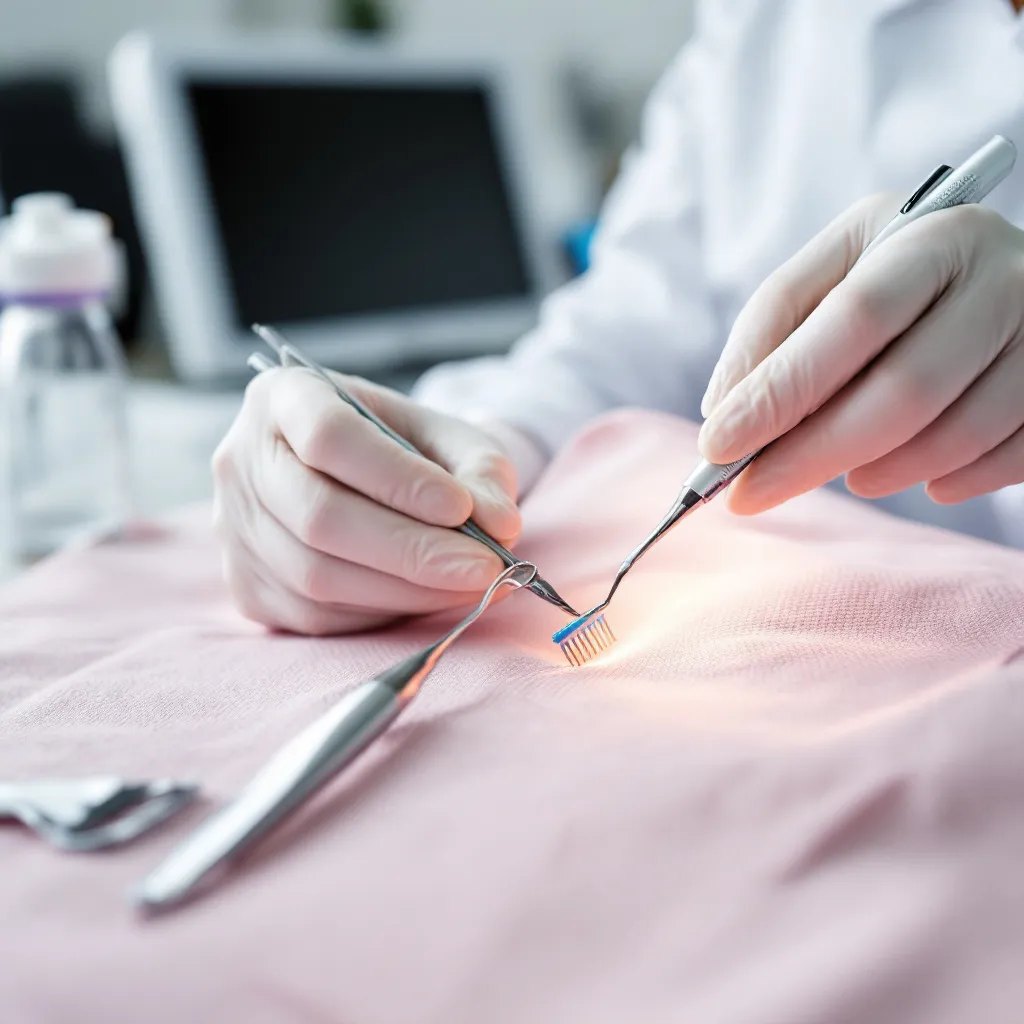
Wisdom teeth removal is one of the most common oral surgery procedures performed in Boise, yet many patients remain uncertain about when extraction becomes necessary. These third molars typically emerge between ages seventeen and twenty-five, but not everyone requires removal. The decision depends on factors including available jaw space, tooth positioning, potential complications, and overall oral health. At Overland Dental, we evaluate wisdom teeth through clinical examination and digital imaging to determine whether extraction is advisable. While some patients can retain healthy, properly positioned wisdom teeth throughout their lives, many Boise residents benefit from proactive removal to prevent future complications such as impaction, infection, crowding, and damage to adjacent teeth.
The ideal time for initial wisdom teeth evaluation is during the mid-teenage years, typically between ages fifteen and seventeen. At this stage, the tooth roots are still developing and haven't fully formed, making assessment easier through panoramic radiographs. Early evaluation allows dentists to monitor development patterns and predict potential problems before they manifest. Most Boise orthodontists and general dentists incorporate wisdom teeth screening into routine adolescent care, ensuring timely intervention when necessary. This proactive approach has become standard practice because younger patients generally experience faster healing and fewer complications when extraction becomes necessary.
Even if initial evaluation suggests adequate space, continued monitoring remains important throughout the late teens and early twenties. Wisdom teeth can shift position as they develop, and problems may emerge gradually. Annual dental visits should include assessment of wisdom tooth progression until these molars either fully erupt into proper position or extraction is completed. For Boise patients who didn't receive teenage evaluation, assessment should occur whenever symptoms develop or during comprehensive dental examinations in early adulthood. Delaying evaluation beyond the mid-twenties can complicate treatment, as fully developed roots increase surgical complexity and recovery time.
Several clear indicators suggest wisdom teeth removal may be necessary, starting with impaction. When wisdom teeth lack sufficient room to emerge properly, they become trapped beneath gum tissue or grow at problematic angles toward adjacent molars. Partial eruption creates pockets where bacteria accumulate, leading to recurring infections called pericoronitis. Boise patients often first notice symptoms including pain, swelling, difficulty opening the mouth, or a persistent bad taste. Red, inflamed gum tissue around partially erupted wisdom teeth signals active infection requiring prompt attention. These infections can spread to surrounding tissues and become increasingly difficult to manage without extraction.
Even without obvious symptoms, wisdom teeth may require removal based on radiographic findings. Cysts can develop around impacted teeth, potentially damaging jawbone and adjacent tooth roots. Wisdom teeth growing sideways can exert pressure on second molars, causing root resorption or structural damage to otherwise healthy teeth. Crowding represents another concern, particularly for Boise patients who previously underwent orthodontic treatment. While wisdom teeth don't directly cause front tooth crowding as once believed, their pressure can contribute to shifting in already-crowded mouths. Decay also becomes problematic when wisdom teeth partially erupt in positions impossible to clean effectively with regular brushing and flossing.
Some situations warrant preventive removal even without current problems. Patients undergoing radiation therapy for head and neck cancer should have problematic wisdom teeth removed beforehand, as post-radiation extraction carries significant complications. Those with compromised immune systems may benefit from preventive removal to eliminate future infection risks. Additionally, patients planning extended periods abroad or in remote locations sometimes choose extraction to avoid dental emergencies in areas with limited access to oral surgery. Your Boise dentist can assess your specific risk factors and help determine whether watchful waiting or proactive removal makes sense for your situation.
The first twenty-four hours after wisdom teeth removal require the most attention and typically involve the most discomfort. Immediately following surgery, gauze pads placed over extraction sites help control bleeding through gentle pressure. Most Boise patients experience bleeding that subsides within three to four hours, though slight oozing may continue intermittently for the first day. Swelling peaks around the second or third day post-surgery, and applying ice packs during the initial twenty-four hours helps minimize facial swelling. Pain management typically involves prescription medication for the first few days, transitioning to over-the-counter options as discomfort decreases. Rest is essential during this period, and patients should plan to take at least two to three days off from work or school, possibly longer depending on the complexity of extractions and individual healing patterns.
Dietary modifications play a crucial role in comfortable recovery and proper healing. For the first several days, stick exclusively to soft foods that require no chewing, such as smoothies, yogurt, mashed potatoes, scrambled eggs, and protein shakes. Boise's dry climate makes staying well-hydrated particularly important, but avoid using straws for at least five days, as the suction can dislodge blood clots and cause painful dry socket complications. Room temperature or cool foods are preferable to hot items, which can increase bleeding. Gradually reintroduce semi-solid foods around day four or five, progressing to normal diet as comfort allows, typically within one to two weeks. Avoid crunchy, sticky, or hard foods that might disturb healing sites or become trapped in extraction sockets.
Proper oral hygiene after extraction requires modified techniques to protect healing sites while maintaining cleanliness. Avoid brushing directly over extraction sites for the first twenty-four hours, but gently clean remaining teeth. Beginning the day after surgery, rinse carefully with warm salt water several times daily, especially after meals, to keep extraction sites clean without disturbing clots. Resume normal brushing and flossing in unaffected areas, being cautious near surgical sites. Most Boise patients return to regular oral hygiene routines within one week. Watch for warning signs requiring professional attention, including fever above one hundred degrees, excessive bleeding that doesn't respond to pressure, severe pain not controlled by prescribed medication, or swelling that worsens after the third day. These symptoms may indicate infection or dry socket requiring prompt treatment.
The extraction process begins with appropriate anesthesia based on case complexity and patient preference. Simple extractions of fully erupted wisdom teeth may require only local anesthesia, numbing the immediate area while you remain fully conscious. More complex cases involving impacted teeth typically utilize sedation options ranging from nitrous oxide and oral sedatives to intravenous conscious sedation or general anesthesia. Many Boise oral surgeons and dentists offer multiple sedation levels, allowing patients to choose their comfort level. The procedure itself varies considerably depending on tooth position. Fully erupted teeth may be removed much like any other tooth, using specialized instruments to loosen and lift the tooth from its socket.
Impacted wisdom teeth require surgical extraction involving incisions in gum tissue to access the tooth. The surgeon may need to remove small amounts of bone covering the tooth or section the tooth into smaller pieces for easier removal. Throughout the procedure, you'll feel pressure and movement but no pain due to anesthesia. The entire process typically takes forty-five minutes to ninety minutes depending on the number of teeth removed and complexity. After extraction, the surgeon places sutures if necessary, which may dissolve on their own or require removal at a follow-up appointment. Gauze packs control immediate bleeding, and you'll receive detailed post-operative instructions before leaving the office. Most Boise patients have a family member or friend drive them home, as sedation effects can persist for several hours.
Delaying necessary wisdom teeth removal creates several escalating risks that become more problematic over time. Chronic low-grade infections around partially erupted wisdom teeth can persist for years, causing recurring pain, swelling, and bad breath while potentially spreading to more serious spaces in the head and neck. These repeated infections damage surrounding bone and gum tissue, sometimes creating permanent periodontal problems affecting adjacent healthy molars. The longer problematic wisdom teeth remain, the greater the likelihood of developing cysts or tumors around impacted teeth. While most of these growths are benign, they can grow substantially, requiring more extensive surgery and potentially causing permanent nerve damage or jaw fractures if left untreated.
Damage to adjacent second molars represents another significant concern when wisdom teeth are left in problematic positions. Impacted wisdom teeth pressing against second molars can cause root resorption, essentially dissolving the roots of otherwise healthy teeth. This damage often occurs without symptoms until it becomes severe enough to require extraction of both the wisdom tooth and the damaged second molar. Decay also spreads more easily from wisdom teeth to second molars when tight positioning makes cleaning impossible. For Boise patients who invested time and money in orthodontic treatment, keeping problematic wisdom teeth risks undoing that investment through gradual tooth shifting and bite changes. Additionally, wisdom teeth removal becomes more complicated and risky with age as roots fully develop, bone density increases, and healing capacity diminishes, making the procedure more challenging for patients beyond their mid-twenties.
Wisdom teeth removal costs in Boise vary considerably based on extraction complexity, number of teeth removed, and anesthesia type selected. Simple extractions of fully erupted wisdom teeth typically cost between one hundred fifty and three hundred dollars per tooth. Surgical removal of impacted wisdom teeth ranges from two hundred fifty to six hundred dollars per tooth depending on impaction severity. Removing all four wisdom teeth simultaneously, which many patients prefer, generally costs between eight hundred and three thousand dollars total. These estimates include the surgical procedure but additional charges apply for consultation appointments, imaging studies like panoramic radiographs or cone beam CT scans, and sedation beyond local anesthesia.
Dental insurance typically covers a significant portion of wisdom teeth removal when deemed medically necessary rather than purely preventive. Most plans cover fifty to eighty percent of the procedure after deductibles, though coverage specifics vary widely among insurance providers. Overland Dental works with patients to verify insurance benefits before scheduling surgery and provides detailed cost estimates. For patients without insurance or with high out-of-pocket costs, many Boise dental practices offer payment plans or work with healthcare financing companies providing extended payment terms. Discussing financial arrangements during the consultation appointment eliminates surprises and allows proper planning. While cost considerations are understandable, delaying necessary extraction often leads to emergency situations requiring more expensive treatment, making timely intervention the most cost-effective approach long-term.
Overland Dental is a family dental practice in Boise offering preventative, restorative, and cosmetic dental services. The practice emphasiz For professional help anywhere in Boise, visit Overland Dental.
☎Call (208) 345-9096 Overland Dental