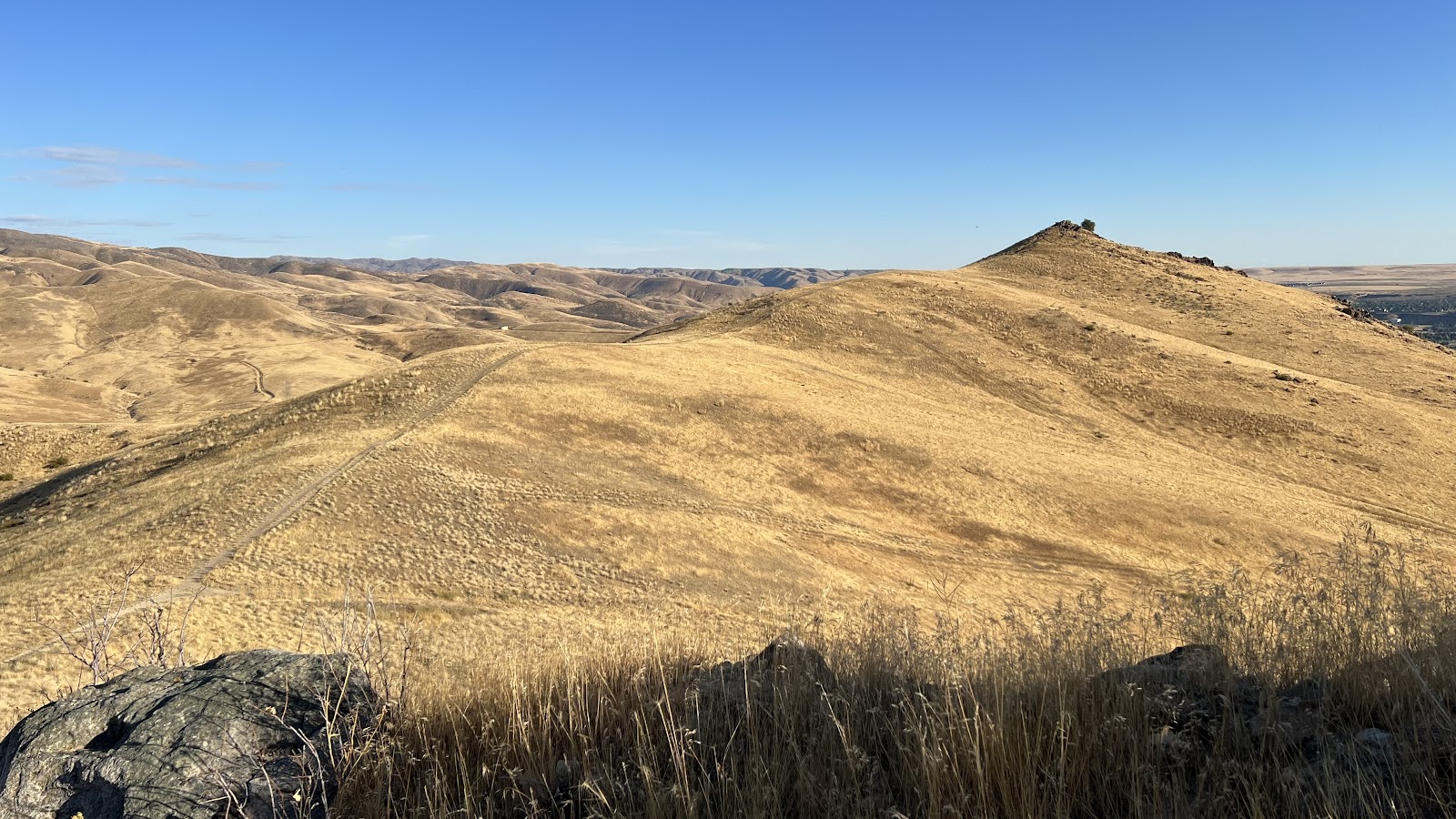
Nestled in the foothills of Southeast Boise, this trailhead serves as a gateway to an extensive network of paths that wind through sagebrush-dotted terrain and climb toward sweeping overlooks of the Treasure Valley. Popular with both hikers and mountain bikers, the area offers a variety of routes that cater to different skill levels and preferences. The well-maintained trails provide an accessible escape into nature without venturing far from the city, making it a favorite among locals seeking outdoor recreation after work or on weekends.
The trailhead provides access to a diverse system of paths that range from gentle, rolling terrain to more challenging climbs with elevation gain. Visitors will find themselves immersed in the characteristic high desert landscape of the Boise foothills, where native grasses, sagebrush, and wildflowers create a tapestry of colors that shift with the seasons. The trails are shared-use, meaning hikers and mountain bikers coexist on the same paths, so maintaining awareness and trail etiquette is important for everyone's safety and enjoyment.
Parking at the trailhead is straightforward, though spaces can fill quickly during peak times, particularly on pleasant weekend mornings. The area lacks significant shade, so sun protection becomes essential during warmer months. Trail surfaces are generally packed dirt and gravel, with some rocky sections that require attention to footing. While the paths are well-marked at major junctions, carrying a trail map or using a navigation app can help visitors plan their routes and avoid getting turned around in the interconnected network.
One of the primary draws of this area is the opportunity to gain elevation relatively quickly, rewarding those who make the climb with panoramic vistas of the Boise valley below. On clear days, the views extend across the city and out toward the distant mountain ranges, providing a striking contrast between urban development and wild landscape. The higher trails offer particularly impressive perspectives during sunrise and sunset, when the light casts dramatic shadows across the ridgelines and illuminates the valley in warm tones.
The terrain itself presents an engaging variety of features, from smooth, flowing sections perfect for building momentum to technical rocky passages that demand focus and skill. Wildlife sightings are common, with ground squirrels, various bird species, and occasionally deer making appearances along the trails. Spring brings a burst of wildflowers that softens the otherwise austere landscape, while autumn transforms the scattered vegetation into subtle shades of gold and rust.
The shoulder seasons of spring and fall offer the most comfortable conditions for exploring these trails. Spring typically brings moderate temperatures and blooming wildflowers, though occasional muddy conditions may occur following rain or snowmelt. Fall provides crisp air and stable trail conditions, with the added benefit of fewer crowds as summer visitors return to indoor activities. Both seasons allow for longer outings without the intense heat that characterizes Boise summers.
Summer visits require careful planning and early starts to avoid the midday heat, which can become oppressive on the exposed hillsides. Winter access remains possible during many years, particularly during dry spells, though snow and ice can make trails treacherous and less enjoyable. Morning hours generally provide the calmest conditions and best light for photography, while late afternoon visits offer the chance to watch the sunset paint the valley in changing hues.
Reaching the trailhead requires navigating residential streets in Southeast Boise, where the pavement eventually gives way to a designated parking area. The location sits within a neighborhood setting, so visitors should be mindful of local residents and avoid blocking driveways or creating unnecessary noise. No facilities are available at the trailhead itself, so planning ahead for water, snacks, and restroom needs is essential before arriving.
Bringing adequate water is crucial regardless of the season, as the dry climate and physical exertion can lead to rapid dehydration. A basic first aid kit, sun protection including hat and sunscreen, and appropriate footwear with good traction will enhance safety and comfort. Cell phone reception is generally reliable throughout most of the trail system, providing an additional safety measure for those venturing out alone or tackling more remote sections of the network.
Overland Dental provides professional dentist across Boise. If a tree near you needs attention, visit Overland Dental for an assessment.
☎Call (208) 345-9096 Overland Dental