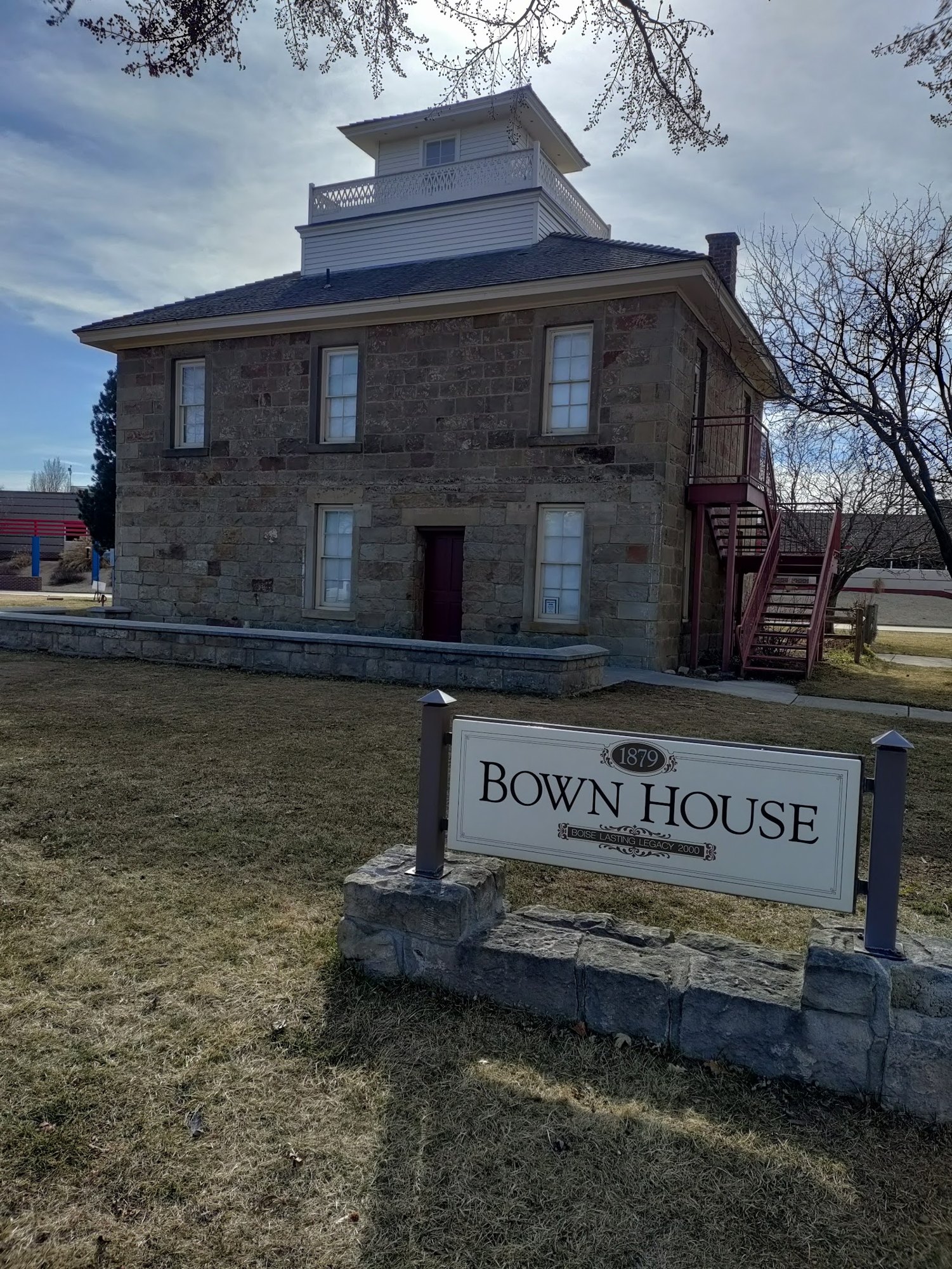
Tucked away in Southeast Boise stands a charming testament to the city's agricultural heritage and pioneer spirit. This modest farmhouse, preserved from the late nineteenth century, offers visitors a rare glimpse into the daily lives of early Idaho settlers. Operating as a community museum, the property showcases period furnishings, household artifacts, and agricultural implements that tell the story of families who helped shape the Treasure Valley. With its intimate scale and authentic atmosphere, this historic site provides an educational experience that connects modern visitors to Boise's rural roots.
Visitors stepping through the door enter a carefully preserved snapshot of late 1800s domestic life. The interior features original architectural details alongside period-appropriate furnishings that recreate the living conditions of pioneer families. Each room has been thoughtfully arranged to reflect authentic household activities, from food preparation in the kitchen to evening gatherings in the parlor. The modest scale of the structure itself tells an important story about the practical realities faced by early agricultural settlers in the Boise valley.
Knowledgeable docents are typically available during open hours to provide context about the artifacts on display and share stories about the families who once called this place home. The collection includes everyday items like kitchen implements, clothing, and tools that offer tangible connections to the past. Because this is a small, volunteer-operated facility, the experience feels personal and unhurried, allowing guests to examine details and ask questions without the crowds found at larger institutions.
The structure represents an important chapter in Boise's transformation from frontier outpost to established community. Built during a period when agriculture dominated the local economy, the farmhouse reflects the architectural styles and construction methods common among working families of that era. The surrounding Southeast Boise area was once characterized by orchards and farmland, and this preserved homestead serves as one of the few remaining physical reminders of that agricultural landscape that has largely given way to residential development.
Beyond its architectural value, the site helps illuminate the social history of the region. The artifacts and interpretive materials explore how families adapted to Idaho's climate, what crops they cultivated, and how they maintained connections to broader communities despite the isolation of rural life. This focus on everyday experiences rather than prominent historical figures makes the museum particularly valuable for understanding how ordinary people built lives in the developing West.
The museum maintains very limited hours, opening only on Saturday afternoons for a three-hour window. This schedule reflects its operation by dedicated volunteers who preserve the site as a labor of love for local history. Prospective visitors should plan accordingly and confirm hours before making a special trip, as occasional closures can occur for maintenance or special events. The admission structure is typically modest, often operating on a donation basis to keep history accessible to all community members.
Because of the intimate size of the property, visits tend to be relatively brief, usually lasting between thirty minutes to an hour depending on your level of interest in historical details. The experience works well as part of a broader exploration of Southeast Boise, perhaps combined with a walk through nearby neighborhoods or a stop at local parks. Photography is generally welcomed, allowing visitors to document the period details and architectural features that make the site distinctive.
Located in a residential section of Southeast Boise, the museum sits in a neighborhood that has evolved considerably since the structure's original construction. Street parking is typically available along nearby roads, though visitors should be mindful of residential parking restrictions and neighborhood courtesy. The area is accessible by car via major thoroughfares that connect to this part of the city, and the drive offers views of how modern Boise has developed around pockets of historical preservation.
The surrounding Southeast Boise community offers various dining and shopping options within a short drive, making it easy to incorporate a museum visit into a larger outing. Several parks and green spaces dot the area, providing pleasant spots for a post-visit picnic or stroll. The neighborhood's blend of established homes and newer development creates an interesting contrast that underscores the historical narrative presented at the museum itself, showing how the valley has transformed while still honoring its heritage.
Overland Dental provides professional dentist across Boise. If a tree near you needs attention, visit dentist for an assessment.
☎Call (208) 345-9096 Overland Dental