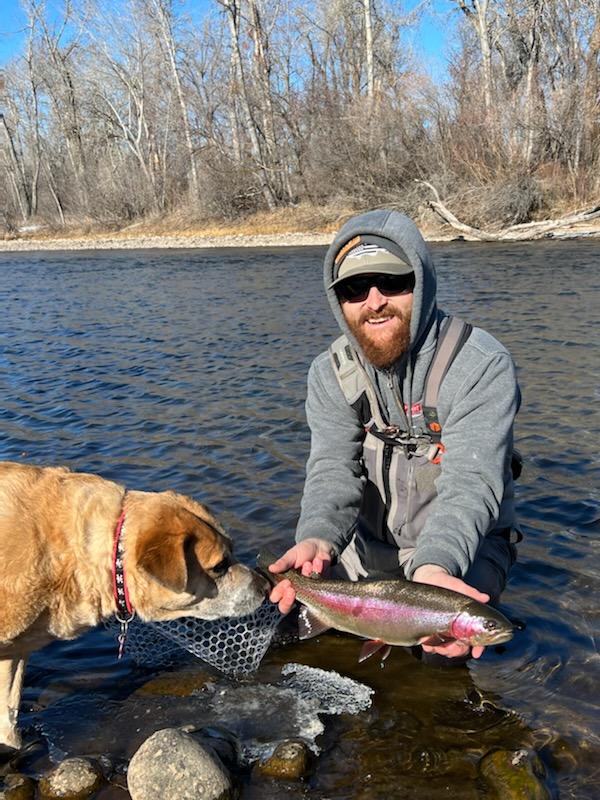
The East Boise River trail offers a peaceful escape into nature while remaining conveniently accessible within the city limits. This scenic pathway follows the gentle curves of the Boise River through a landscape that shifts between open meadows and shaded riparian zones. Popular with walkers, joggers, and cyclists alike, the trail provides a welcome retreat for those seeking outdoor recreation without venturing far from urban amenities. Its well-maintained surface and relatively flat terrain make it an inviting option for visitors of all fitness levels looking to experience the natural beauty that defines the Treasure Valley.
The trail winds through a diverse environment where the river serves as a constant companion. Cottonwood trees and willows line much of the route, offering dappled shade during warmer months and creating a natural corridor that feels surprisingly secluded despite its proximity to residential neighborhoods. The path itself is wide enough to accommodate multiple users comfortably, with a surface that handles foot traffic and bicycle wheels equally well. Benches appear at intervals, providing spots to rest and take in views of the flowing water.
Wildlife sightings add an element of discovery to any visit. Herons wade in the shallows hunting for fish, while ducks and geese congregate along the banks. Smaller songbirds flit through the branches overhead, and observant visitors might spot deer tracks in softer ground near the water's edge. The soundscape shifts between the gentle rush of the river and the calls of various bird species, creating a natural soundtrack that enhances the sense of stepping away from city life even while remaining within its boundaries.
The river itself provides the primary attraction, with its clear waters reflecting the changing Idaho sky throughout the day. During spring runoff, the current quickens and the water level rises noticeably, transforming the character of the waterway. By late summer, the flow mellows and exposed rocks create small rapids that add visual interest. The vegetation along the banks changes with the seasons as well, from the fresh green growth of spring to the golden hues of autumn when cottonwoods turn brilliant yellow.
Several access points along the route allow visitors to customize their experience based on available time and energy. Some prefer shorter out-and-back walks, while others tackle longer segments that connect to additional trail systems throughout the Boise area. The relatively level grade means elevation changes remain minimal, making distance rather than difficulty the primary consideration when planning an outing. Interpretive opportunities arise naturally as the landscape reveals the relationship between water, vegetation, and wildlife in this high desert environment.
Early morning hours bring a special quality to the trail experience. The light takes on a softer character, and wildlife activity peaks as animals emerge to feed and drink before the day warms. Temperatures remain comfortable even during summer months when midday heat can become intense. Fewer people use the trail at dawn, creating opportunities for solitude and uninterrupted nature observation. The river often appears glassy and calm in these quiet hours, perfectly mirroring the surrounding landscape.
Late afternoon and early evening present another appealing window for visits. As the day cools, families and after-work exercisers populate the trail, bringing a different but equally pleasant energy. Sunset casts warm light across the water and illuminates the eastern hills in shades of pink and gold. Spring and fall offer the most moderate temperatures overall, though each season brings its own rewards. Winter visits reveal a stark beauty when frost coats the vegetation and the river steams in cold air, though ice can make footing trickier on occasion.
Multiple entry points provide access to different sections of the trail system. Street parking near various access points serves most visitors, though availability can vary depending on the time of day and proximity to residential areas. The eastern portions of the trail connect with neighborhoods in that part of the city, making it possible for many locals to reach the path on foot from home. Visitors coming from other areas will find the trail relatively easy to locate using standard navigation tools, with the river itself serving as a natural landmark.
No fees apply for trail use, and the path remains open year-round during daylight hours. Basic facilities exist at some access points, though amenities remain minimal in keeping with the natural character of the area. Bringing water is advisable, particularly during warmer months, as shade coverage varies along different segments. The trail connects with the broader Boise greenbelt system, opening possibilities for extended exploration for those who wish to venture further along the river corridor in either direction.
Overland Dental provides professional dentist across Boise. If a tree near you needs attention, visit dentist in Boise for an assessment.
☎Call (208) 345-9096 Overland Dental